North Dulwich station small flat removals insider tips
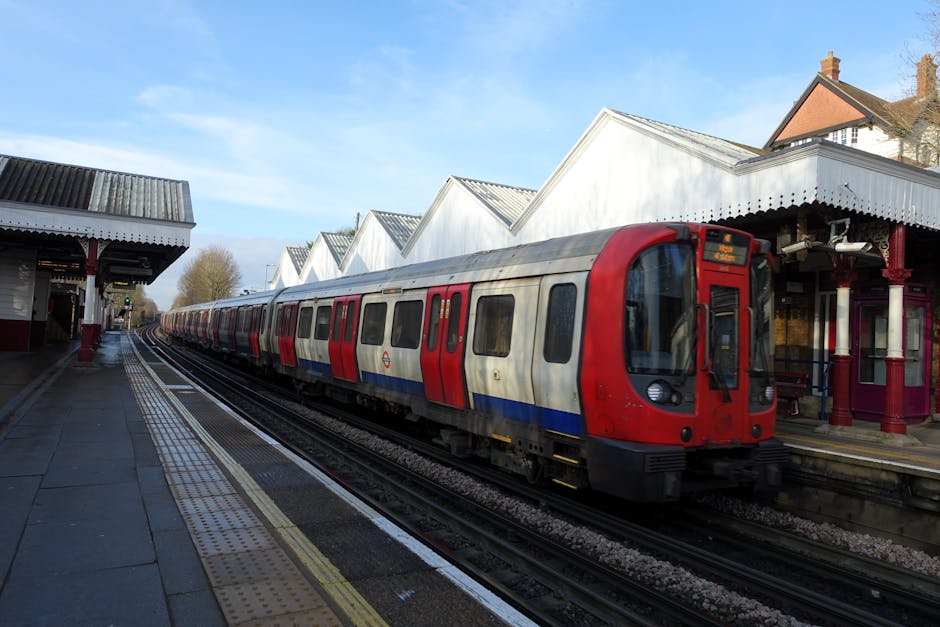
Moving out of a small flat near North Dulwich station sounds simple on paper. A few boxes, a sofa, maybe a bed frame, and you're done, right? Then reality arrives: tight stairwells, awkward parking, a railway-adjacent street, and somewhere between one and three items that are somehow heavier than they look. If you're looking for North Dulwich station small flat removals insider tips, this guide is built for the kind of move that needs a bit of local know-how, not generic moving advice.
Whether you're leaving a studio, a one-bed, or a compact flatshare, the difference between a smooth move and a stressful one often comes down to planning the access, timing the loading, and choosing the right service level. Let's face it: small flat removals can be easier than house moves, but only if you treat them like a precise job rather than a last-minute scramble. Below, you'll find practical steps, common mistakes, comparison points, and the kind of insider detail that helps everything feel less chaotic.
Why North Dulwich station small flat removals insider tips Matters
North Dulwich sits in a part of South London where a move can feel deceptively straightforward until the practical details start biting. The station area is busy at commuter times, parking can be tight, and many nearby flats are built with narrow access, shared entrances, or stairs that seem to have been designed by someone with excellent intentions and a terrible sense of humour. That is exactly why local moving tips matter.
A small flat move is not just a smaller version of a house move. It has its own rhythm. The load is lighter, yes, but the margin for error can be smaller. One missed parking plan can add half an hour. One oversized wardrobe can block a hallway. One poorly packed box can turn a quick lift job into a slow, awkward puzzle.
In practical terms, good advice helps you save time, avoid damage, and reduce the number of times you carry the same thing up and down the stairs. And nobody wants that. Especially not on moving day, when the kettle is packed, the Wi-Fi is already cancelled, and you are surviving on biscuits and adrenaline.
For North Dulwich station removals, the local angle matters because access conditions vary a lot even within a short walk. Some properties are easy to load from the street; others need careful positioning, a smaller van, or a timed arrival so the job doesn't become a blocking exercise. Good planning is not a luxury here. It is the move.
How North Dulwich station small flat removals insider tips Works
The process is usually simpler than a full household move, but the steps still need sequencing. Think of it like fitting furniture through a narrow door: if you rush the angle, it sticks. If you prepare properly, it glides through. Same principle applies here.
A typical small flat removal near North Dulwich station involves a few core stages:
- Assessing the volume of items in the flat
- Checking access at both addresses
- Choosing the right van size and crew setup
- Deciding whether packing help is needed
- Loading in a sensible order to protect fragile items
- Transporting and unloading efficiently at the destination
What makes the move run well is not speed on its own. It is sequence. For example, if you load a mattress first and bury the boxes behind it, you make everything harder when you arrive. If you pack by priority and shape, you can unload fast and avoid the awkward "which box has the kettle?" moment at 7:30 in the evening.
For many local flat moves, a man with a van setup is enough, especially where the move is light and access is manageable. For more fragile, bulky, or time-sensitive moves, a more structured flat removals service can be the safer choice. The right option depends less on the postcode and more on what you actually need moved, how far, and how tricky the access is.
Truth be told, a lot of "small move" stress comes from underestimating the hidden bits: disassembly, wrapping, carrying, parking, and the few items that look innocent until you try to turn them in a staircase landing. That is where insider tips save the day.
Key Benefits and Practical Advantages
There are real advantages to planning a small flat move well, and they go beyond simply getting the sofa from A to B.
1. Lower risk of damage
When items are packed in the right order and the right containers, breakages fall dramatically. No magic, just decent packing and common sense. Plates should not be living next to books. Lamps should not be wedged under a pile of random cables. You know the sort of thing.
2. Faster loading and unloading
Small flats can be moved quickly when items are grouped logically. That matters near North Dulwich station, where access windows and street space can shape the whole day. A tidy load-out often means fewer trips, less lifting, and a shorter period of disruption for neighbours.
3. Better use of a smaller van
Choosing the right vehicle saves money and time. A van that is too large can be awkward to park or manoeuvre; one that is too small can mean a second trip. In compact residential streets, sizing the vehicle properly is one of the easiest wins.
4. Less emotional strain
Moving is tiring in a way that sneaks up on you. The kettle is packed, the charger is missing, and suddenly you're standing in an empty room wondering where the week went. A smooth, well-planned move reduces that low-level stress that lingers all day.
5. Easier coordination with work and tenancy deadlines
If you need to vacate by lunchtime, hand back keys, or get into a new flat before evening, timing matters. Efficient small flat removals help you meet deadlines without the frantic "we're nearly there" messages that everyone dreads.
Expert summary: The best small flat removals near North Dulwich station are usually not the fanciest ones; they are the ones where access, timing, packing, and vehicle choice all line up cleanly.
Who This Is For and When It Makes Sense
This kind of move is a strong fit for people in compact homes who want practical help without paying for more capacity than they need. If your flat is full of standard household items rather than an entire house's worth of furniture, a targeted small-move approach usually makes sense.
It is especially useful for:
- People moving out of a studio or one-bedroom flat
- Flatsharers moving a room's worth of belongings
- Students with mixed furniture and boxes
- Renters on a tight move-out schedule
- Anyone with bulky items but a relatively small total load
- People moving a short distance within South London
It also makes sense if you are dealing with awkward timing. Maybe you get keys in the afternoon. Maybe the old tenancy ends at midday. Maybe you are juggling work and cannot spend the entire day lifting boxes. A move near North Dulwich station often works best when someone else handles the heavy lifting while you stay focused on keys, inventory, and the tiny details that always matter more than they should.
If you have only a few items but they are awkward - think mattress, wardrobe, mirror, or table - then a local removal setup can still be worthwhile. Small move does not mean simple move. Sometimes the smallest jobs are the most fiddly. Funny how that works.
Step-by-Step Guidance
Here is a practical way to handle a small flat removal near North Dulwich station without losing half the day to avoidable problems.
Step 1: Make a proper item list
Walk through the flat and list furniture, boxes, and loose items. Be honest. That extra shelf, the plant stand, the TV, the fan you forgot about in the corner - all of it counts. The more accurate the list, the better the planning.
Step 2: Measure the awkward pieces
Doors, stair turns, wardrobes, beds, and sofas deserve measurements. Not because you enjoy office-like admin, but because one unmeasured item can become the headache of the day. Measure height, width, and depth if you can. A quick note on your phone is enough.
Step 3: Check access at both addresses
Look at parking, staircases, lift availability, entry codes, and any restrictions on loading. If there is a narrow street, a controlled parking area, or a busy station-adjacent road, build that into the plan early.
Step 4: Choose the right service level
Some people only need transport. Others need packing, lifting, and furniture handling too. If you are unsure, compare a basic van-led move with a fuller service option. If you already know the job includes dismantling or heavy lifting, do not pretend otherwise. You will only pay for it later in time and stress.
Step 5: Pack by room and by priority
Keep like with like. Kitchen items together. Bathroom items together. First-night essentials separate. Label the boxes clearly on two sides if possible, so you can spot them even when they are stacked sideways.
Step 6: Prepare an essentials bag
Put keys, phone charger, medication, snacks, water, documents, and basic toiletries in one bag you keep with you. This tiny step saves a surprising amount of grief. No one wants to unpack six boxes for toothpaste.
Step 7: Load in the right order
Heavier items usually go in first, with boxes and fragile items secured around them. If the team is handling the loading, stay available to answer questions about what needs extra care. If you are doing it yourself, be methodical. Fast is good. Careful is better.
Step 8: Do a final flat check
Before leaving, check cupboards, under beds, behind doors, bathroom shelves, and windowsills. People forget chargers, remotes, and important paperwork in the oddest places. It happens more often than anyone admits.
Step 9: Unload by priority at the new place
Start with the items that make the flat functional: bed, bedding, kettle, toiletries, basic kitchen gear. That way the place becomes livable quickly, even if not everything is unpacked on day one.
Expert Tips for Better Results
This is the part where local experience really pays off. A few small decisions can make a large difference, especially around North Dulwich station where access and timing often matter more than people expect.
- Book a sensible time window. Mid-morning can be easier than the school-run or rush-hour edge, but it depends on the street and access. A calm start matters more than a "perfect" start.
- Use fewer, stronger boxes. Overfilled boxes are miserable to carry and more likely to split. Half-full boxes are awkward too. Aim for balanced loads.
- Protect corners and edges. Table corners, mirrors, and shelving units are the first things to scuff in tight hallways.
- Disassemble what makes sense. Beds, detachable table legs, and some shelving units move better when broken down first. Keep screws in labelled bags taped to the item if possible.
- Be realistic about parking. If the van cannot stop comfortably outside, mention it early. Guessing never helps.
- Keep fragile items visible. Labels are useful, but so is simply telling the crew what must stay upright.
One thing people often overlook is the emotional side of packing. You do not need to organise every drawer like a museum display. Good enough is good enough. Really. A move is not the time to become a minimalist perfectionist unless that genuinely relaxes you.
Another useful habit: take photos of complex furniture before dismantling it. The photo may seem silly at the time, but when you are staring at a handful of screws later, you will be very glad you did. Been there. Not proud.
Common Mistakes to Avoid
Most moving problems are predictable. That is the annoying part. The good news is that predictable problems are fixable once you know what to look for.
Underestimating access
A flat that looks fine online can be a tight squeeze in real life. Lift size, stair width, and parking position all matter. If you skip an access check, you are gambling with time.
Packing too late
Packing the night before is a classic stress-generator. You end up throwing things into boxes in a way that makes sense only in the moment. Then nothing makes sense later. Better to start earlier and finish calmer.
Using the wrong boxes
Big boxes filled with books are a back problem waiting to happen. Small, strong boxes are usually better for heavy contents. Lightweight boxes are fine for soft items, but not for the heavy stuff. Obvious in theory. Easy to ignore in a rush.
Forgetting building rules or neighbour considerations
Shared buildings may have entry restrictions, lift booking rules, or quiet-hours expectations. Even if they are informal rather than heavily managed, it is courteous to keep disruption down, especially in close residential blocks.
Not labelling essentials
If the first-night box is buried, the evening becomes a scavenger hunt. Put that one box in a visible place and mark it clearly. It saves everyone from opening every other box in the flat.
Leaving bulky items to the last minute
Mattresses, wardrobes, and large mirrors should not become day-of surprises. If they need disassembly or extra protection, handle that before the moving van arrives.
Tools, Resources and Recommendations
You do not need a mountain of equipment for a small flat move, but a few sensible tools make the whole process smoother.
- Strong boxes: Choose consistent sizes where possible so stacking is easier.
- Packing tape: Buy more than you think you need. Tape disappears fast, oddly enough.
- Marker pens: Clear labels save time when unloading.
- Furniture blankets or wraps: Good for protecting wood, glass, and painted surfaces.
- Bubble wrap or soft wrapping materials: Helpful for delicate items, though towels and bedding can work for some things too.
- Basic toolkit: Screwdrivers, Allen keys, and anything needed to dismantle beds or tables.
- Dolly or sack truck: Useful for heavier boxes where access allows it.
- Storage option: Handy if completion dates, tenancy dates, or keys do not line up neatly.
For people who want a more joined-up service, it can help to combine moving with packing support through packing and boxes or packing and unpacking services. That is especially practical if you are short on time, moving alone, or simply tired of living among half-sealed boxes that have started breeding in the corner.
If the move includes surplus items you do not want to take, a service like furniture removals or a practical furniture pick-up can help you avoid dragging unnecessary clutter into the next place. And if you need somewhere temporary for overflow, storage can take the pressure off dates that do not align perfectly.
Law, Compliance, Standards, or Best Practice
Small flat removals are not usually complicated from a legal point of view, but there are still a few sensible standards to keep in mind. These are less about bureaucracy and more about doing things properly.
First, make sure any removal provider is transparent about insurance and safety practices. If items are being carried through shared areas, stairs, or lifts, you want reassurance that reasonable care is being taken. A reputable provider should be able to explain how they handle loading, lifting, and transit protection in plain English. If that explanation feels vague, trust your instincts.
Second, parking and loading should be handled with local rules in mind. In London, access arrangements can be sensitive, and it is worth checking whether a loading bay, permit, or timed stop is needed. The exact requirements vary, so do not assume. Better to ask early than to improvise at the kerb while your sofa waits on the pavement.
Third, if you are moving items in a shared building, respect communal spaces. Keep corridors clear, avoid leaving boxes in hallways, and minimise noise where you reasonably can. That is both good manners and good practice. Neighbours remember these things.
For peace of mind, review a company's policies on insurance and safety, and check broader service terms such as terms and conditions. If you want to understand how a provider approaches responsible operations, their health and safety policy and recycling and sustainability approach can also tell you quite a lot about their working standards.
To be fair, compliance does not need to dominate the move. But it should quietly support it. The best moving days feel calm because the basics were handled well in the background.
Options, Methods, or Comparison Table
Different small flat removals need different setups. Below is a simple comparison to help you choose the right approach near North Dulwich station.
| Option | Best for | Strengths | Trade-offs |
|---|---|---|---|
| DIY van hire | Very light loads, confident packers, flexible timing | Budget control, full flexibility | You do the lifting, driving, and coordination yourself |
| Man with a van | Small flats, local moves, a few bulky items | Good for compact moves, often quicker and simpler | May need extra help for very heavy or awkward items |
| Full flat removal service | Busy moves, fragile items, multiple floors, tighter deadlines | More support, more structure, less strain | Usually costs more than a basic transport-only option |
| Storage plus move | Delayed move-in, renovation gaps, uncertain dates | Flexible timing, less pressure on the day | Extra handling and storage coordination |
If you are moving from a compact flat and the access is straightforward, a transport-led option may be enough. But if you have stairs, delicate furniture, or a parking setup that is less than ideal, paying for more help can actually be the better value. Cheap is not cheap if it takes all day and damages the sideboard.
Case Study or Real-World Example
Here is a realistic example from the sort of move people near North Dulwich station make all the time.
A tenant moves out of a one-bedroom flat with a bed frame, mattress, two small bookshelves, a desk, a dining table, eight boxes, and a mirror. On paper, it sounds modest. In reality, the staircase is narrow, the desk does not like corners, and the street parking is tight enough that the van needs to be positioned carefully. Nothing dramatic. Just enough friction to make the job feel bigger than it looked at first.
The move goes much better because the following things were done in advance:
- The larger items were measured before moving day
- The bed was dismantled the evening before
- The first-night box was labelled clearly and loaded last
- Fragile items were wrapped separately, not tossed into mixed boxes
- The arrival time was set to avoid the busiest part of the morning
As a result, the loading was steady rather than frantic. There was still a brief moment where the mirror looked too big for the landing - there always is - but careful handling solved it. The whole move stayed on schedule, and the tenant could get the bed assembled and the kettle on without digging through random cartons for a spoon.
The lesson? The move was not unusually easy. It was simply well prepared. That is the secret most of the time.
Practical Checklist
Use this checklist before moving day if you want a smoother result.
- Confirm your moving date and access times
- Measure the largest items and note any tight corners
- Check parking or loading arrangements at both addresses
- Decide whether you need packing help or transport only
- Sort out boxes, tape, labels, and wrapping materials early
- Pack a first-night essentials bag
- Disassemble furniture that will not fit through doors safely
- Label fragile items clearly
- Separate anything you are not taking
- Keep keys, phone, and important documents with you
- Do a final check of cupboards, shelves, and hidden corners
- Plan who will be at each end of the move, and when
Quick takeaway: the more you deal with in advance, the less you have to improvise on the day. And improvising while carrying a table down stairs is not much fun, frankly.
Get a free quote today and see how much you can save.
Conclusion
Small flat removals near North Dulwich station are usually manageable, but they reward preparation more than almost anything else. If you get the access right, pack sensibly, choose the right service level, and keep an eye on the little details, the whole day becomes calmer and faster. That is the real value of practical, local advice.
So if you are planning a move from a compact flat, do not leave it to hope and heavy lifting. Use the checklist, think through the access, and give yourself a better start. A smooth move has a way of making the new place feel good from the first hour, not just the first week. And that matters more than people admit.
Sometimes the best move is the one that quietly goes right.
Frequently Asked Questions
What makes North Dulwich station small flat removals different from a regular move?
The main difference is the combination of compact living spaces, tricky access, and the need to move efficiently without paying for a large-scale service you do not need. Small flat moves often involve less volume, but more precision.
Do I need a full removal service for a one-bedroom flat?
Not always. If your load is modest and access is straightforward, a transport-led or man-with-van style move may be enough. If you have stairs, fragile furniture, or a tight deadline, a fuller service can be worth it.
How far in advance should I book a small flat removal near North Dulwich station?
As early as you reasonably can, especially if your move date is tied to a tenancy change or a weekend slot. Short-notice bookings can work, but they reduce flexibility and can make scheduling harder.
What should I pack separately for moving day?
Keep essentials with you: keys, phone charger, medication, basic toiletries, important documents, snacks, and anything you need during the first evening. That small bag saves a lot of hassle.
Is it cheaper to do a small flat move myself?
It can be, but only if you already have the right vehicle, enough help, and the time to manage everything. Once you factor in stress, potential damage, and multiple trips, DIY is not always the cheapest in practical terms.
What is the best van size for a small flat move?
That depends on the amount of furniture and how much you have boxed. For some studio moves, a compact van is enough. For a one-bed with bulky items, you may need something larger. It is better to size up carefully than to assume.
How can I avoid damage to furniture during a flat move?
Use proper wrapping, protect corners, dismantle what can be safely taken apart, and load items in a stable order. Fragile items should be separated and clearly identified before loading begins.
What if my building has awkward stairs or no lift?
That should be mentioned before the move, not during it. Narrow stairs, landings, and upper-floor flats are all manageable, but they do change the time and effort required. Good planning helps a lot.
Can I combine removals with storage?
Yes, and it is often useful if your move-out and move-in dates do not line up neatly. Storage can reduce pressure and give you a cleaner transition between homes.
What should I check in a removal company before booking?
Look for clear pricing, sensible communication, insurance and safety information, and a service style that matches your move. If a provider cannot explain how they handle access, loading, or protection, keep asking questions.
How do I make moving day less stressful?
Pack early, label clearly, keep essentials separate, and choose a moving setup that suits the actual size of your flat. The less you leave to chance, the calmer the day tends to feel. Simple, but true.
Are same-day moves possible for small flats?
Sometimes, yes, if the volume is light and the schedule allows it. Same-day removals are more likely to work well when the route is short and the access is straightforward, but availability can vary.
What is the biggest mistake people make with small flat removals?
Underestimating access and leaving packing too late. Those two mistakes cause a surprising amount of stress, even on short local moves. If you avoid them, you are already ahead.