Dulwich Village house removals narrow streets and access tips
If you are planning a move in Dulwich Village, you already know the main challenge is not always the packing. It is the access. Narrow residential roads, parked cars, awkward turning spaces, tight front gardens, railings, steps, and the occasional van that feels one size too large can turn a simple house move into a slow, stressful day. That is exactly why Dulwich Village house removals narrow streets and access tips matter so much. A move goes better when the route, vehicle size, parking, loading point, and timing are thought through before the first box leaves the hallway.
This guide breaks the process down in plain English. You will learn what makes Dulwich Village access tricky, how to plan a smooth house removal, which mistakes cause unnecessary delays, and what practical steps help protect your time, your furniture, and your nerves. We will also cover sensible comparisons, a real-world style example, and a checklist you can use before moving day. Truth be told, a little planning here saves a lot of back-and-forth later.
Table of Contents
- Why it matters in Dulwich Village
- How the moving process works on narrow streets
- Key benefits and practical advantages
- Who this is for and when it makes sense
- Step-by-step guidance
- Expert tips for better results
- Common mistakes to avoid
- Tools, resources and recommendations
- Law, compliance, standards and best practice
- Options, methods and comparison table
- Case study or real-world example
- Practical checklist
- Conclusion
- Frequently asked questions
Why Dulwich Village house removals narrow streets and access tips Matters
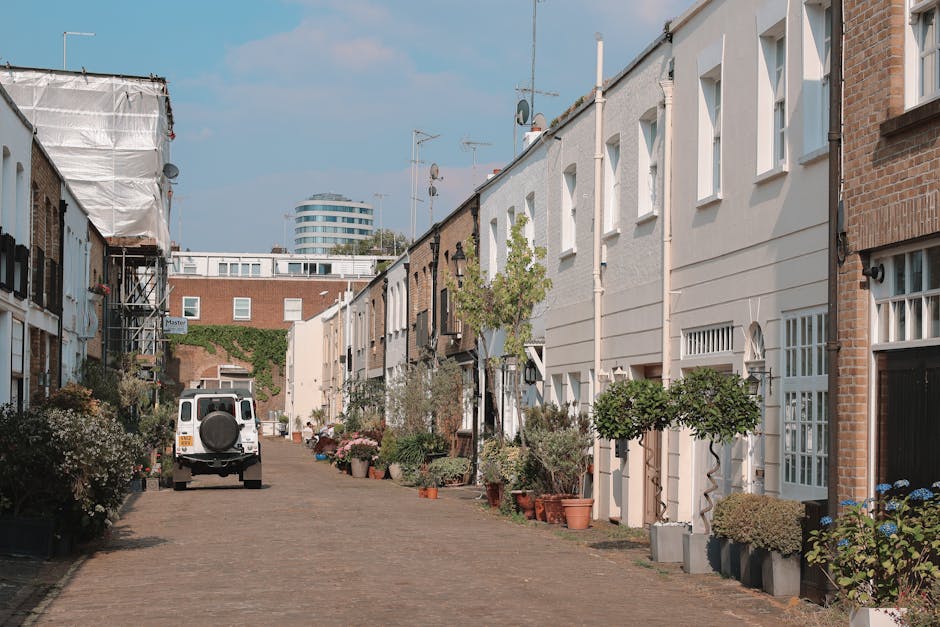
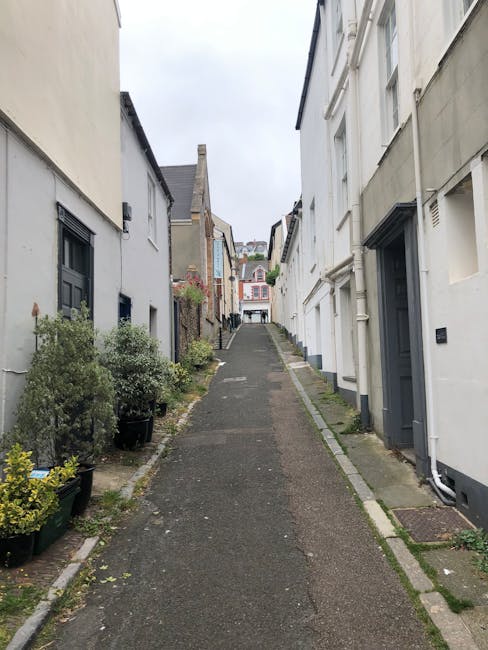
Dulwich Village has a lovely, settled feel, but that character can create practical moving challenges. Many streets are not designed for large vehicles, and even where a van can physically enter, it may not be able to stop for long without blocking traffic or making life awkward for neighbours. In a local move, access is not a side issue. It shapes the entire job.
Why does that matter so much? Because access affects every part of the removal: how close the van can get, how far items need to be carried, how many trips are needed, whether you need extra people, and whether furniture can come out without scuffs or strain. A sofa that can be lifted straight from the lounge to a waiting van is one thing. The same sofa carried down a narrow path, around a parked car, and over a dropped kerb is something else entirely.
In our experience, the moves that feel calm are the ones where the route has been thought through in advance. Not glamorous, admittedly, but effective. A quick access check can be the difference between a tidy, one-load move and a day that drags on with everyone glancing at the clock.
If you are comparing moving options, it can help to look at house removals for full domestic moving support, or man and van for smaller, more flexible jobs where access is tight and the load is lighter. The right fit depends on the property, the street, and what you are actually moving.
How Dulwich Village house removals narrow streets and access tips Works
A good access plan starts before move day. The first step is usually a short assessment of your property and the street outside. This does not need to be complicated, but it should be realistic. A mover will want to know whether there is safe kerbside space, whether the road is single lane in places, whether there are low trees or overhanging branches, and whether the entrance is level or stepped.
From there, the move is usually adapted around the best available loading point. Sometimes that means parking a smaller van a little further away and using trolleys or carried loads. Sometimes it means scheduling the arrival time for a quieter window so the crew can load without being squeezed by traffic. Sometimes it means splitting the job into smaller loads. Sounds obvious, but a lot of stress comes from pretending a narrow street behaves like a warehouse yard. It does not.
For homes with more furniture or multiple floors, a full domestic service through removals or home moves often makes the process easier because the work can be tailored to the property rather than forcing the property to suit the move. If access is especially awkward, a more compact vehicle can be the smarter choice. A removal van is often easier to position than a larger truck, especially where street width is limited.
The practical sequence is simple:
- Check the street, driveway, entrance, and available parking.
- Estimate the size and weight of items, not just the number of boxes.
- Choose the right vehicle and crew size.
- Plan where the van will stop and how items will travel from door to vehicle.
- Protect floors, corners, and furniture before lifting begins.
- Load in an order that matches the delivery point at the other end.
That sequence keeps the day moving. It also reduces the awkward pauses where everybody is standing around with one lamp, trying to work out where the next sofa is supposed to go.
Key Benefits and Practical Advantages
Getting access right delivers more than convenience. It improves safety, saves time, and often reduces the amount of handling needed for your belongings. That is especially important in a place like Dulwich Village where the street layout can make a poorly planned removal feel much harder than the volume of items would suggest.
Here are the main benefits:
- Less lifting and carrying - which matters for bulky furniture, awkward appliances, and anything fragile.
- Fewer delays - because the crew is not constantly re-positioning the vehicle or rethinking the route.
- Lower damage risk - both to your items and to walls, doors, stair rails, and the van itself.
- Better neighbour relations - a well-managed move is less likely to cause blocked access or frustration outside.
- More accurate pricing - access details help the moving company quote properly rather than guessing.
There is also a quieter benefit that people forget: peace of mind. Once you know the van can actually stop where you expect it to stop, the move stops feeling like a gamble.
If you are still gathering the basics, packing and boxes is worth looking at early. Good packing is not just about safety. It also affects access, because smaller, well-labelled boxes are much easier to move through narrow hallways and tight front paths than half-closed bags and overfilled cartons.
Who This Is For and When It Makes Sense
This advice is useful for almost anyone moving within or into Dulwich Village, but it is especially relevant if your property has limited roadside space or you already know the street outside is busy. If you live in a terraced home, a period property with steps, a house with a narrow side entrance, or a flat above ground level, access needs careful thought. No two properties are quite the same, and that is the point.
It also makes sense if you are moving at a busy time of day, have large furniture, or are working to a tight handover schedule. A same-day exchange, for example, leaves very little room for "we will just see how it goes." That approach is fine for a Sunday clear-out. Less so when keys are waiting and everyone is trying not to stand in the way.
Students, small households, downsizers, and people moving a few key items can often do very well with a smaller vehicle and a more flexible schedule. For that type of move, student removals and man with a van are often worth considering. If you only need to move a handful of items or one room's worth of belongings, it may be overkill to book a large truck that struggles with the street outside.
Commercial customers can face the same access issues, just with different consequences. A small office move, a studio, or a local business relocation may benefit from a compact vehicle and a careful loading plan, especially where access is shared or time on the street is limited. In that case, office removals or commercial moves may be more appropriate than a general household-only approach.
Step-by-Step Guidance
If you want a move that feels organised rather than improvised, follow a simple sequence. Nothing fancy. Just practical steps done in the right order.
1. Measure the access, not just the rooms
Measure door widths, hallway bends, stair turns, and the space between the pavement and your front door. In narrow streets, the journey from the vehicle to the property often matters more than the rooms themselves. If the move includes tall wardrobes or large beds, check whether they will fit through the tightest turning points without needing dismantling.
2. Look at the street at the time you plan to move
A road that feels fine at 10 a.m. may be very different at school run time or during the evening rush. If possible, take a quick look at the likely loading window. You may notice parked cars, delivery vans, or a pinch point that is not obvious from memory. Small detail, big difference.
3. Decide whether a smaller vehicle is smarter
Many people assume a bigger van is always better. Not necessarily. In tight access areas, a smaller or medium van can often get closer, load faster, and create less disruption. If your move is compact, a removal van or man with van setup may be more practical than a larger vehicle that spends half the day trying to find space.
4. Split the packing into access-friendly loads
Pack by weight and shape, not just by room. Put heavy items in smaller boxes. Keep long, awkward pieces separate. Label anything fragile clearly. This helps the team move items through narrow hallways without having to stop and reshuffle everything at the door.
5. Clear the route inside and outside
Move bikes, bins, mats, and loose plant pots out of the way. Inside, keep the route from rooms to front door as open as possible. If there are stairs, make sure they are uncluttered and well lit. A hallway with a single shoe rack can somehow feel twice as narrow on moving day.
6. Agree the loading point before arrival
Do not leave this vague. Confirm where the van should stop, which entrance to use, and who will be available if parking changes. If you are in a shared street, a little flexibility helps, but it is still worth having a clear first choice.
7. Protect surfaces and corners
Use floor coverings, blankets, or protective wraps where needed. Narrow access often means more turns and tighter contact points, so a bit of protection goes a long way. It feels tedious for five minutes and very sensible for the rest of the day.
8. Keep an eye on timing
Give yourself a buffer. A move with access challenges should not be planned down to the minute. Build in room for a delayed arrival, a parking adjustment, or one stubborn item that refuses to come down the stairs in a dignified way.
Expert Tips for Better Results
There are a few small habits that consistently make tight-access removals easier. These are the sort of things experienced movers do almost automatically, and they save more trouble than people realise.
- Photograph the access points before move day. A quick set of pictures of the road, front door, hallway, stairs, and any side path helps the mover judge what equipment may be needed.
- Keep one "essentials" box separate. On a stressful move, the last thing you want is to hunt for kettle, charger, keys, and toiletries in twelve nearly identical cartons.
- Use smaller boxes for books. A box full of books is heavier than it looks. Too heavy, usually. That is where backs complain.
- Disassemble what will clearly struggle. Beds, table legs, and some shelving units are simply easier to move in parts.
- Tell your movers about fragile access issues early. Low gates, tight corners, steep steps, or shared entrances are not minor details. They are the route.
- Consider temporary storage if completion dates or access times do not line up neatly. Storage can take the pressure off when you need to stage the move in phases.
One small but useful tip: keep the front of the property as clear as possible while the van is being loaded. It sounds basic, but a clean path means less faffing and fewer pauses. And, to be fair, fewer chances for somebody to trip over a stray dustpan while carrying a mirror.
Common Mistakes to Avoid
Most moving problems in narrow streets are not dramatic disasters. They are avoidable planning errors. A few of the most common ones show up again and again.
- Booking the wrong vehicle size - too large and it cannot access the property well; too small and the move takes far longer than expected.
- Ignoring parking reality - a space that looks available in the morning may not be available when the van arrives.
- Leaving the packing too late - rushed packing creates awkward loads, damaged boxes, and more trips.
- Not measuring furniture - large sofas and wardrobes can be the main problem, not the number of boxes.
- Forgetting about neighbours and timing - a little courtesy avoids a lot of tension.
- Assuming access can be figured out on the day - sometimes it can, but why risk it?
The biggest mistake, honestly, is thinking the move is just about transport. It is about access planning first, transport second. Once that clicks, everything gets easier.
Tools, Resources and Recommendations
You do not need specialist kit to manage a move well, but a few practical tools help a great deal. Most are simple, and that is the point.
| Tool or resource | Why it helps | Best use case |
|---|---|---|
| Measuring tape | Checks doorways, stairs, hallways, and furniture dimensions | Before booking and before dismantling furniture |
| Phone camera | Documents street access, steps, and tight corners | Sharing access details with the mover |
| Labels and marker pens | Speeds up unloading and reduces confusion | Room-by-room packing and fragile items |
| Protective blankets and covers | Helps avoid scuffs on furniture, bannisters, and walls | Narrow hallways and stair turns |
| Trolley or sack barrow | Reduces manual carrying where pavements and access allow | Short carries from van to property |
| Temporary storage | Gives flexibility if dates, keys, or access do not align | Staggered moves and completion delays |
For packing support, packing and unpacking services can be very helpful if you are short on time or want the move organised with less last-minute chaos. If you are comparing providers more broadly, it is sensible to look at removal companies and see whether they are clear about access planning, insurance, and what happens if parking turns out to be tighter than expected.
Law, Compliance, Standards, or Best Practice
For house removals, the most useful compliance point is not a single rule, but a set of sensible UK best practices. Moving teams should work safely, protect property, and use vehicles and lifting methods that suit the job. That usually includes clear communication about access, careful handling of furniture, and a realistic approach to parking and loading.
If a move involves shared access, public pavement space, or busy roads, it is worth being cautious about obstruction and timing. The exact local arrangements can vary, so a mover should not make casual assumptions. Better to check and plan than to improvise and hope. That is especially true where an entrance is tight or a vehicle may need to wait nearby rather than park directly outside.
You should also expect a provider to be clear on safety, liability, and terms before the move begins. If you are comparing companies, it is reasonable to ask about insurance and safety, and to review the practical details in the health and safety policy and terms and conditions. That is not being fussy. It is just sensible.
For customers who care about responsible disposal and reuse, it also helps to choose a company that takes waste and reuse seriously. If that matters to you, have a look at recycling and sustainability. A move often surfaces items you no longer need, and it is better when those items are handled properly rather than left in a pile at the last minute.
Options, Methods, or Comparison Table
Choosing the right moving method is often the real decision. Here is a simple comparison to help you think it through.
| Option | Best for | Strengths | Possible drawback |
|---|---|---|---|
| House removals | Full household moves with furniture, boxes, and appliances | Structured, efficient, suited to larger jobs | May need careful vehicle selection for narrow streets |
| Man and van | Smaller loads, single-room moves, flexible access situations | Compact, adaptable, often easier in tight roads | Less suitable for large family houses |
| Removal van | Compact to medium moves where access is limited | Easier parking and loading in constrained streets | May require more trips for larger volumes |
| Storage first, move later | When dates do not match or access is staged | Flexible, reduces deadline pressure | Extra handling and planning needed |
There is no single "best" answer for every Dulwich Village move. A family house with three floors and large furniture may need a proper removal crew. A flat move with a few heavy items may be better served by a smaller vehicle and a careful route plan. The trick is matching the method to the street, not the other way around.
Case Study or Real-World Example
Here is a realistic example based on the sort of move people often face in Dulwich Village.
A couple moving out of a period house had a narrow front path, a short flight of steps, and a street with limited curbside space. They had two sofas, a dining table, beds, boxes of books, and a few fragile lamps. At first glance, they assumed a larger van would be quicker. In practice, that would have made parking harder and added time to the day.
Instead, the move was planned with a smaller vehicle, an early morning loading window, and clear packing instructions. The sofas were measured in advance, one table was dismantled, and the books were split into smaller boxes. The front route was cleared the night before, and fragile items were grouped together so they could be loaded last and unloaded first. The result was not magical. It was simply organised. The crew did not have to keep rethinking the access, and the homeowners were not standing at the doorway with that slightly panicked look people get when a wardrobe will not turn the corner.
The lesson? Access planning is not extra admin. It is the thing that makes the removal feel straightforward.
Practical Checklist
Use this checklist a day or two before moving.
- Measure the widest furniture pieces and the tightest doorways.
- Check whether the van can stop close to the property.
- Take photos of the street, entrance, steps, and hallway.
- Confirm the moving time and any likely parking pinch points.
- Pack heavy items into smaller boxes.
- Label fragile, heavy, and essential boxes clearly.
- Clear pathways inside and outside the property.
- Protect floors, bannisters, and corners.
- Keep keys, documents, and chargers in one safe bag.
- Have a backup plan if parking is not available directly outside.
- Consider storage if your dates or access windows do not align.
Little checklist, big payoff. It is one of those things that looks ordinary until it saves the day.
Get a free quote today and see how much you can save.
Conclusion
Dulwich Village removals are rarely difficult because of the house itself alone. More often, they are difficult because of the street, the parking, the turning space, and the need to get furniture in and out without fuss. Once you accept that access is the heart of the move, everything becomes easier to plan.
The best approach is simple: measure carefully, choose the right vehicle, pack with access in mind, and leave a sensible buffer for the realities of a narrow road. If you do that, the whole day feels less like a scramble and more like a well-run job. And that, honestly, is what most people want. A move that just works.
When you are ready, talk to a local team that understands the area, the access challenges, and the difference between a quick guess and a proper plan. The calmest moves are usually the ones that were thought through a few steps ahead.
Frequently Asked Questions
What makes Dulwich Village house removals more difficult than other London moves?
The main issue is access. Narrow streets, limited parking, and older property layouts can make loading and unloading slower unless the move is planned around them.
Should I choose a large van or a smaller vehicle?
It depends on the street and the volume of belongings. A smaller vehicle can be better where parking and turning are tight, even if a larger van looks more efficient on paper.
How far in advance should I plan access for a house move?
Ideally, as soon as you know your moving date. Even a short access check a few days ahead can prevent major delays on the day itself.
Do I need to measure my furniture before booking?
Yes. Large sofas, wardrobes, beds, and tables are often the items that create problems, not the boxes. Measurements help avoid surprises.
What if there is no parking directly outside my property?
That is common in narrow streets. A good mover will plan the nearest safe loading point and decide whether a smaller vehicle or extra carrying distance is the better option.
Is packing service useful for narrow access moves?
Very often, yes. Smaller, well-labelled boxes and carefully grouped items make hallway and stair movement much easier. It also reduces time at the door.
Can I use storage if my move dates do not line up?
Yes, and it is often a sensible solution. Storage can help if keys are delayed, the new home is not ready, or you want to split the move into stages.
How do I reduce the risk of damage in a tight property?
Clear routes, protect floors and corners, dismantle awkward furniture where needed, and avoid overfilling boxes. That combination prevents a lot of avoidable knocks and scrapes.
Are house removals better than man and van for Dulwich Village?
Not always. House removals suit bigger, fuller moves. A man and van arrangement can be more practical for smaller loads or tighter street access.
What should I tell the removal company before moving day?
Tell them about street width, parking limits, steps, long walks from the van to the door, fragile furniture, and any time restrictions. The more accurate the access details, the better the plan.
Do I need to worry about safety and insurance?
Yes, it is sensible to ask. You want to know that the team works safely, handles items properly, and is clear about responsibility if anything unexpected happens.
What is the biggest mistake people make with narrow-street removals?
Assuming the day will sort itself out. It usually does not. A few measurements, a realistic vehicle choice, and a clear loading plan make a far bigger difference than people expect.